The Charm of “Bakuman。” and “Spy x Family” Lack of Surprises
──When do you reread manga?
There are times when I want to revisit a story, but in most cases, it's the images I want to look at again. I might remember how nice the countryside looked in a certain manga, or how the way the rooms were drawn felt soft and tranquil. I go back to these titles when I want to feel the atmosphere of their spaces again.
I find that the more visual information is left out, and the farther an image strays from what you can see in real life, the more easily it embeds itself in my memory. Manga that depicts spaces symbolically, rather than as detailed recreations of reality, leave a much stronger impression on me.
── As someone who more often tends to enjoy manga by observing, which titles do you feel are particularly easy to read?
Any works that don't strike me as too visually complex when I open to a page, really. Titles that express themselves without many surprises—I mean that in a good way. Manga with simple panel layouts and speech bubble placement, that don't require your eyes to move very much around the page, are the ones I find easiest to read.
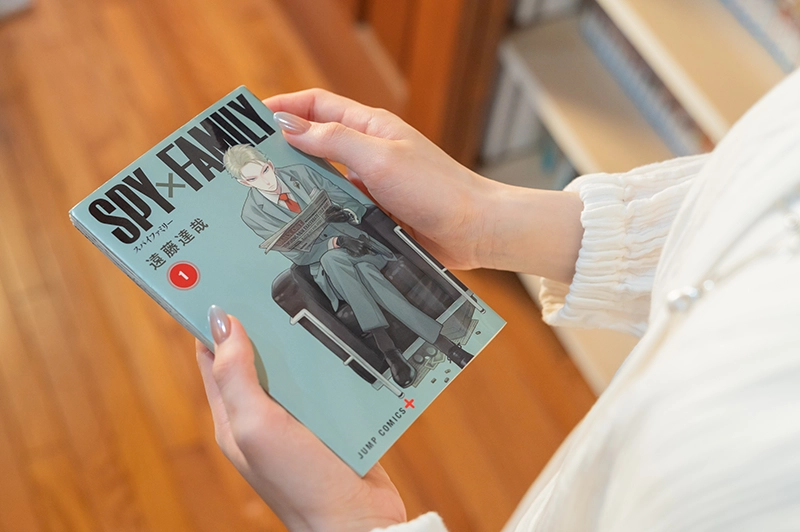
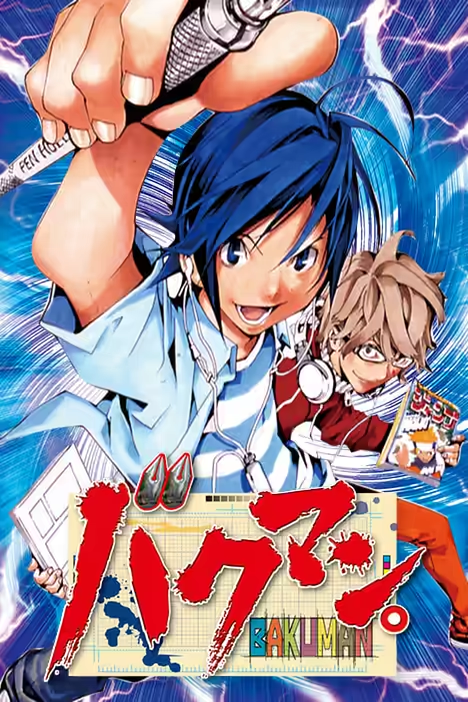
To give specific examples, there's “Spy x Family” (Tatsuya Endo, Shueisha), “Bakuman。” (Tsugumi Ohba and Takeshi Obata, Shueisha), and “Blue Flag” (Kaito, Shueisha). There's also “Blank Canvas: My So-Called Artist's Journey” (Akiko Higashikata, Shueisha), which I personally found very easy to read through. I thought that accessibility made it shine as a manga. I've been greatly influenced by Naoki Urasawa's “20th Century Boys” (Naoki Urasawa, Shogakukan) as well. The images in that manga are so expressive. They really speak to me.
──Is there a manga you've reread recently that your impression has changed on?
I read the Chinese version of “My Little Monster” (Robico, Kodansha) back when I was in Italy. When I first read it, I really liked the banter between the characters and the story, but when I went back to it, I found myself stopping to look at the background art that I had never paid attention to before.
Take the school, for example. It's a setting that appears repeatedly throughout the story, but even within the same space, the way the background is drawn changes from moment to moment. You can really feel the passage of time through the art. What I find incredibly fascinating—not just in My Little Monster—is how depicting the same location over and over gives it a strong sense of place, allowing it to gradually gain its own reality.
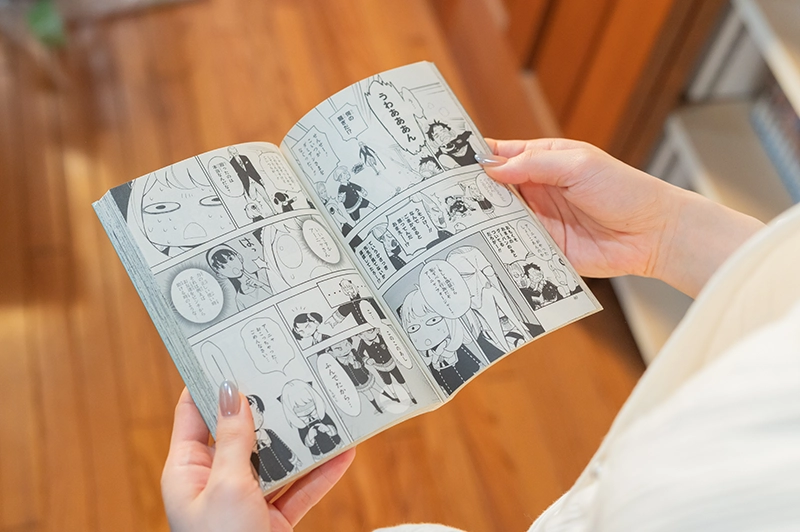
In “Spy x Family”, the apartment where the main characters live naturally appears many times. But even when the same room is depicted from the same angle, the subtle differences in how it's drawn according to the scene are really interesting. Also, in this manga, the speech bubble you're supposed to read next is usually at the same height as the previous one, and it's easy to tell what to look at next from the direction the characters are looking, or how their body is turned. These aspects make it easy for me to enjoy the story as well.
──Is there another manga that left an especially strong impression on you?
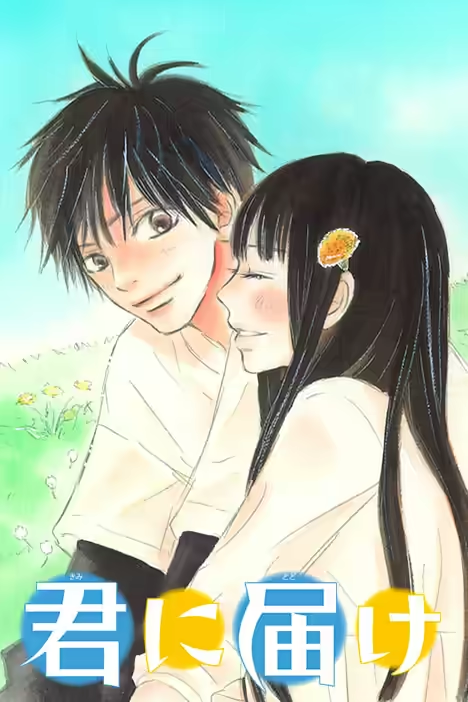
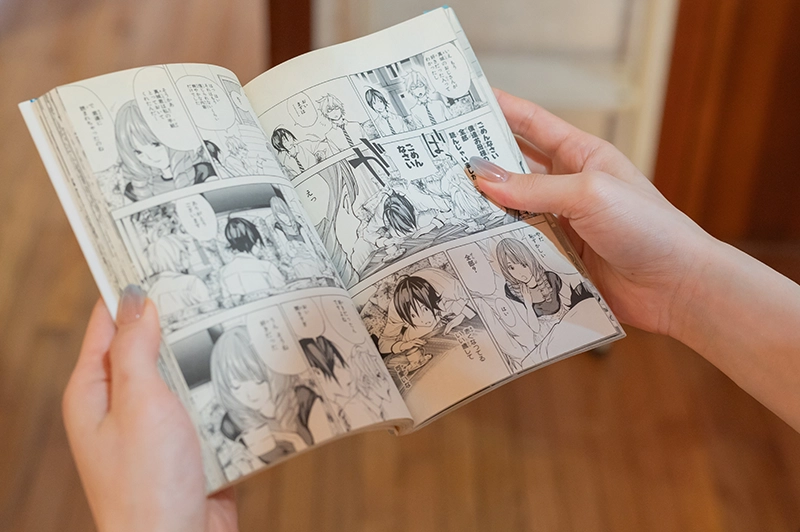
There's “Kimi ni Todoke: From Me to You” (Kariho Shiina, Shueisha). I watched the anime version before reading the manga, and I recall being very surprised and frustrated by the way the characters communicated. In both Italian and Chinese, you're typically straightforward when you want to communicate your feelings. I read it when I was in middle school and it's how I learned that that kind of restraint is something very Japanese.
──Could you recommend a title for international readers?
“Bakuman。”. The panel layout and placement of the speech bubbles make the page composition easy to follow. On top of that, it's a realistic and fascinating depiction of the Japanese manga industry. You can really get a feel for the culture that produces manga. I'd love for people from all walks of life to enjoy it too.
Seeing Life's "Spaces" in a New Light with Manga
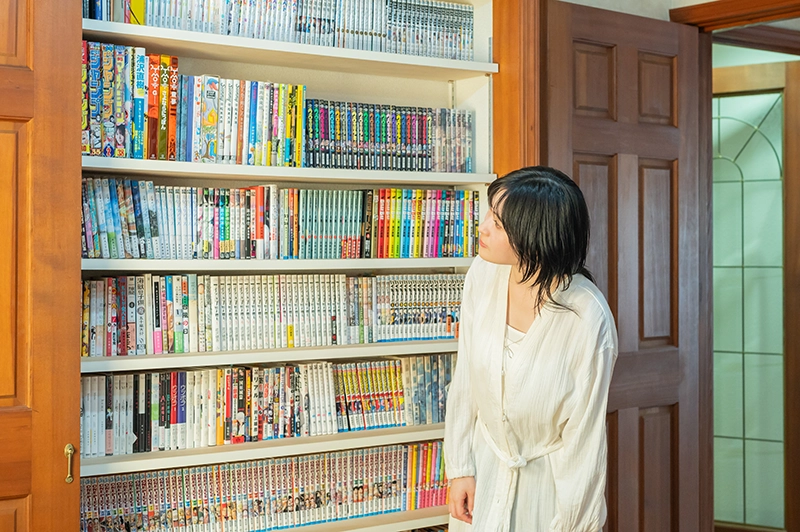
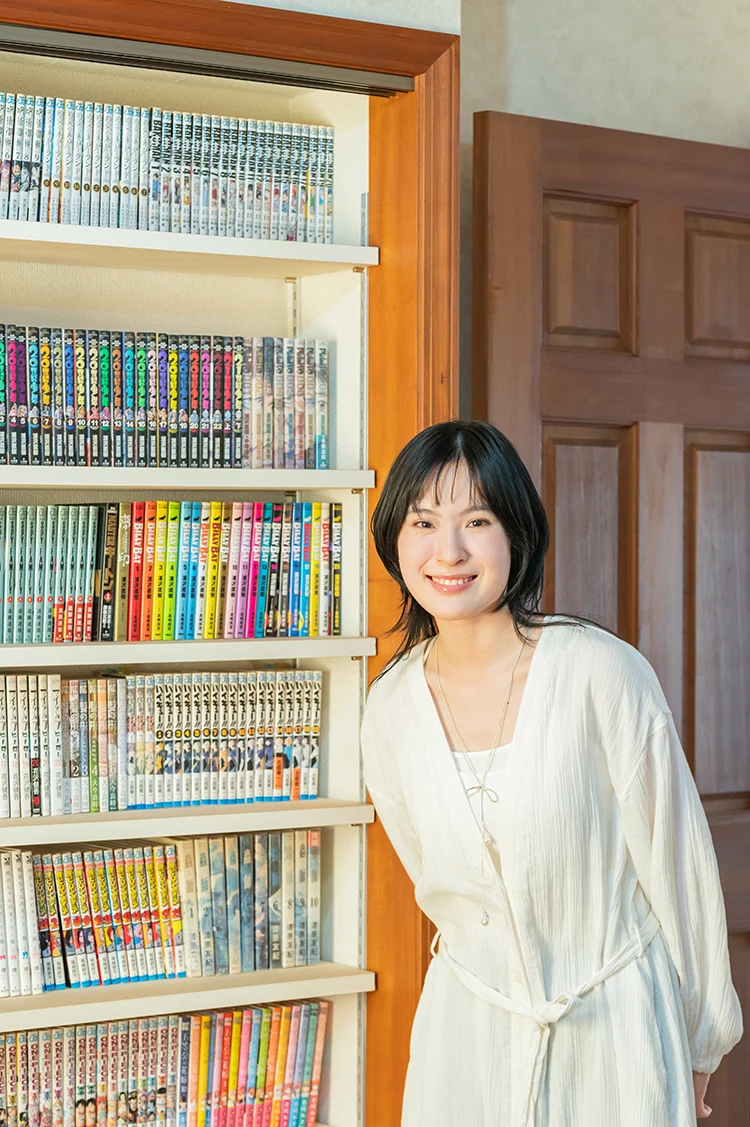
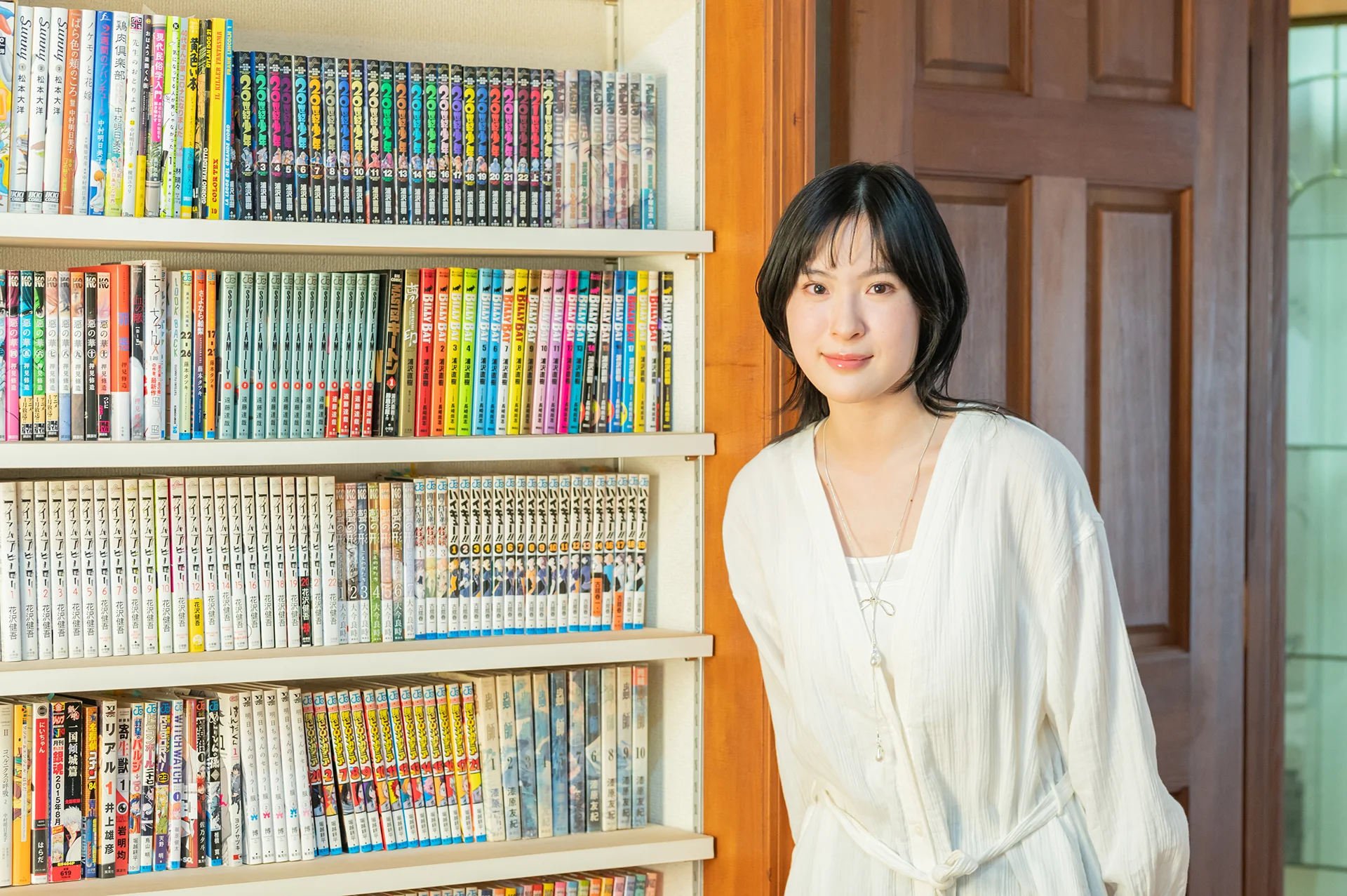
──Your manga bookcase is huge! Do you have any particular ways you like to organize the shelves?
The order is basically by publisher, then artist. I tend to place titles that I feel have a similar atmosphere next to each other.
──It looks like some of the series are missing volumes, and there are some other manga mixed up with different titles.
I bought those when I got to university and started researching manga. I just wanted to know more about manga's composition and get a feel for their atmospheres. I never followed their stories, but they hold strong memories for me, so I've kept them to look back on. I basically buy in volumes, but some of them are just for research, and I have a few editions of Weekly Shonen Jump that I bought to commemorate coming to Japan.
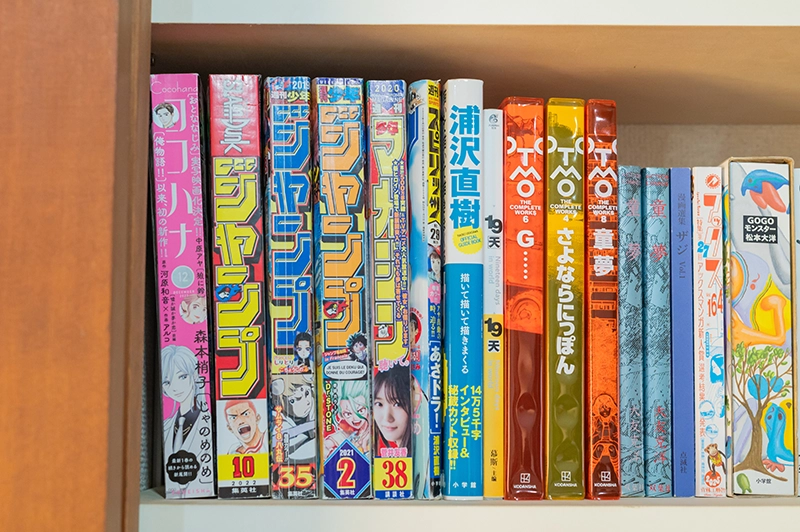
──What manga have you purchased recently?
Mostly titles that are currently being serialized, but I've also been into collections of short stories too. I recently read “Umibe no Stove “ (Kogani Oshiro, Leed), for example. I've also finished quite a few short titles like “At Summer's End” (Takuya Nishio, Shueisha) on Shonen Jump+.
──It's clear that you've been inspired in many different ways by manga. How would you say this has manifested in your recent creative work?
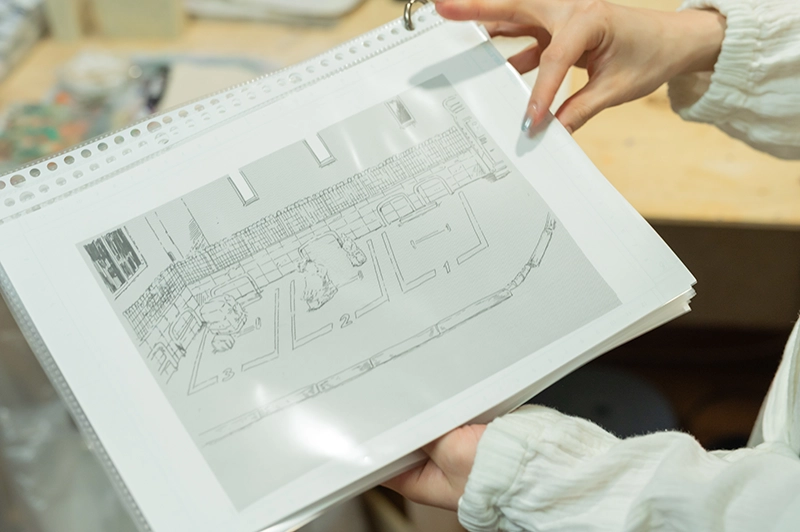
Because I started out with an interest in manga backgrounds and scenery, I borrowed a few manga-making techniques in the beginning. I got a good grasp of using self-made screentones.
Afterward, in 2024, there was an art festival called "Art from the Land: The Echigo-Tsumari Art Triennale" that had a theme of "elementary school." It was an installation in a real school. I became aware of something then that has changed my art.
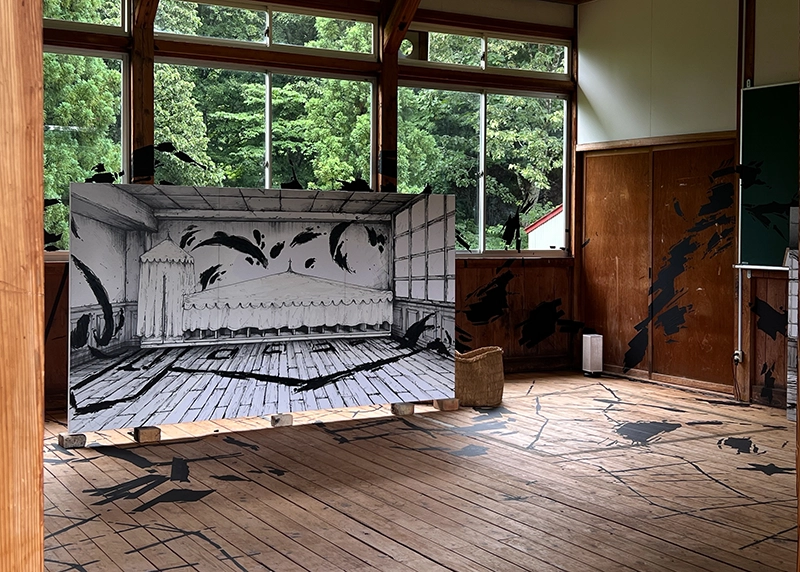
There are people who do "pilgrimages," using clues in anime and manga to visit real-life locations where stories are set. That's to say that the backgrounds seen in some works have connections to real places. I felt strongly that the backgrounds and scenery in manga are deeply grounded in reality.
That revelation was a catalyst that's led me to challenge myself and try new approaches in my present work.

──To conclude, what is "manga" to you, Liisa?
Let's say that I see a convenience store depicted in the background of a manga, and the illustration includes the parking lot. The next time I go to a convenience store, I find myself paying special attention to the parking lot's presence. That's how manga gets me to look at such spaces in a whole new light. Manga isn't just something to enjoy for the stories and pictures. I believe that it has its own place in art history.
I feel that, compared to watching a movie, in the act of reading manga, it's easier to decide what information you take in. And yet all that visual and textual information still comes together to form a coherent story. That's why manga should be considered a Gesamtkunstwerk—a complete, comprehensive art form.