For Me, Manga is "Viewing" Rather Than "Reading"
──Please tell us what first sparked your interest in Japanese anime and manga.
It began when I started watching anime in order to study Japanese. Though my parents and I are Chinese nationals, I spent my early childhood in Italy due to my parents’ work and grew up learning Chinese and Italian.
While we spoke Chinese at home, I was soon able to speak Italian too. That in turn fostered an interest in studying other languages. What particularly drew me to Japanese was the calm tone of Japanese speakers and the sounds of the words themselves—I felt it was similar to Italian, perhaps because it has the same vowel sounds (a, e, i, o, u).
──So you encountered anime before manga?
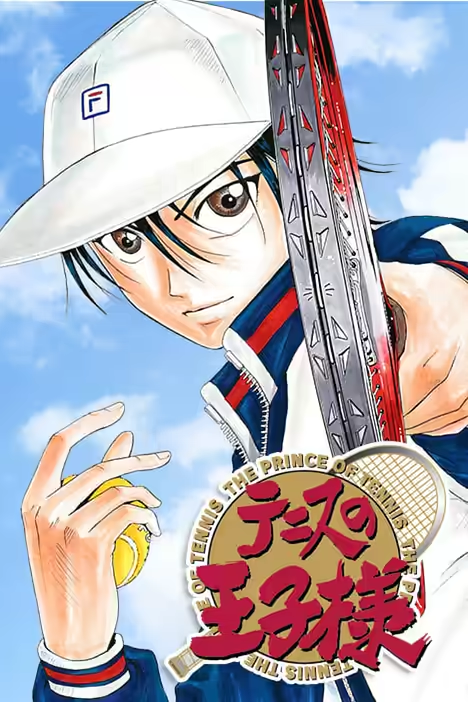
That's right. In the beginning, I just watched it because I wanted to immerse myself in the beautiful sound of the Japanese language. But it turned out to be so interesting! I ended up watching all kinds of titles such as “Ouran High School Host Club” (Bisco Hatori, Hakusensha) and “The Prince of Tennis” (Takeshi Konomi, Shueisha). To a person like me, who'd never lived in Japan, seeing aspects of Japanese school life such as sports festivals, art festivals, and after-school clubs, as well as the scenes of everyday life, was fascinating. Before I knew it, I was completely obsessed.
Nowadays, we can learn what everyday life is like in other countries on YouTube and other social media, but at that time, there were so few opportunities to see that kind of thing, so it felt very exciting.
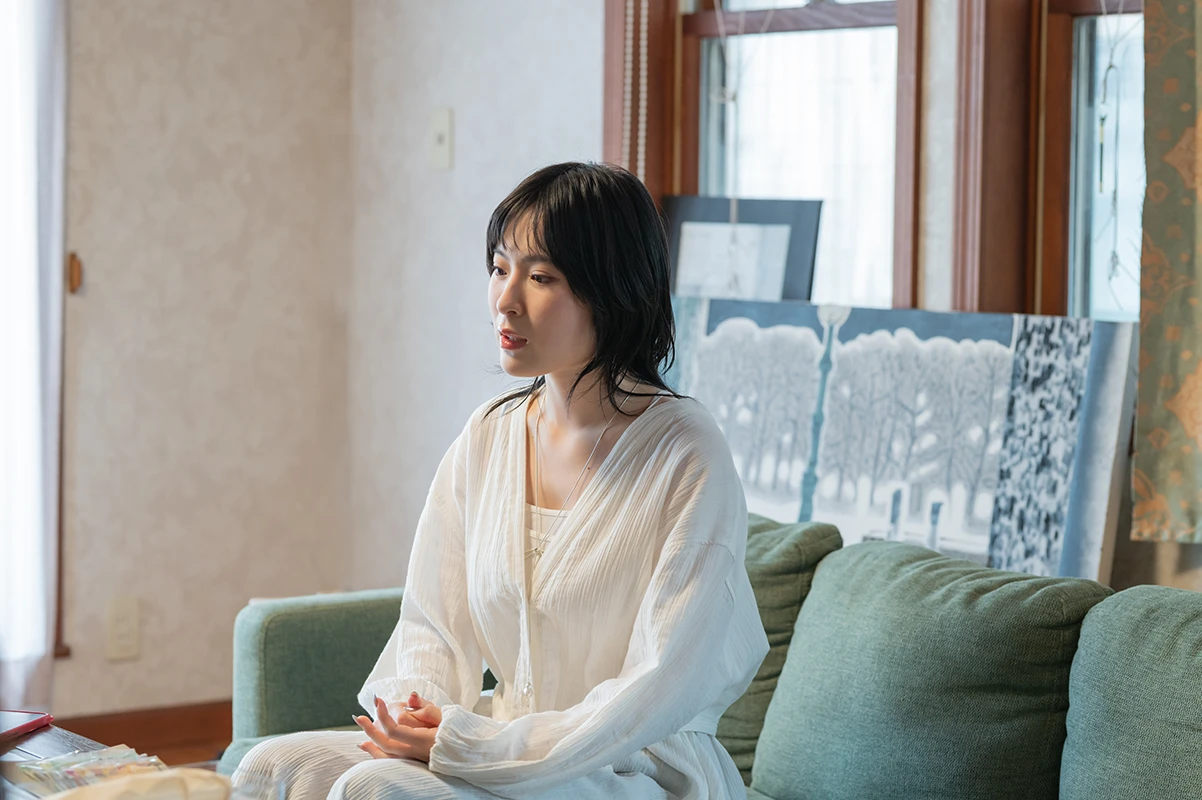
──Living in Japan, you tend to take those school events and the like for granted, but what you're saying definitely makes sense when you put it like that. So, that was how you began learning about Japan. In 2018, you went on to study at Kyoto Seika University's Manga Department. How did that come about?
I've always loved drawing and I attended an arts-focused high school in Italy. When I thought about what I wanted to do next, going to Japan, the place I'd become so enamored with through anime, was naturally at the top of my list. And, if I was going to go all that way, I thought I should take the opportunity to specialize in a very Japanese field of the arts, so I decided on Kyoto Seika University, which hosted the only department of manga studies in Japan.
──You'd watched quite a bit of anime by that point, but how about manga? Had you had much contact with it?
Actually, I hadn't read much manga at all. But since I wanted to study at the manga department, I bought some titles that were popular in Japan and researched, then tried drawing my own manga.
When you start delving deeper into how manga expresses and depicts things, discussions tend to center around how to create appealing characters, but I found myself more interested in their sense of space. For me, the act of reading manga feels more like observing scenery.
──Can you explain that feeling in more detail?
I typically read the Japanese editions of manga, but since I'm not a native speaker, I often find the reading quite challenging. Although I learned Japanese through anime and manga, I don't completely understand all of the grammar yet. Sometimes panel layouts can be quite complicated too. It makes following the story correctly feel like a high-level skill.
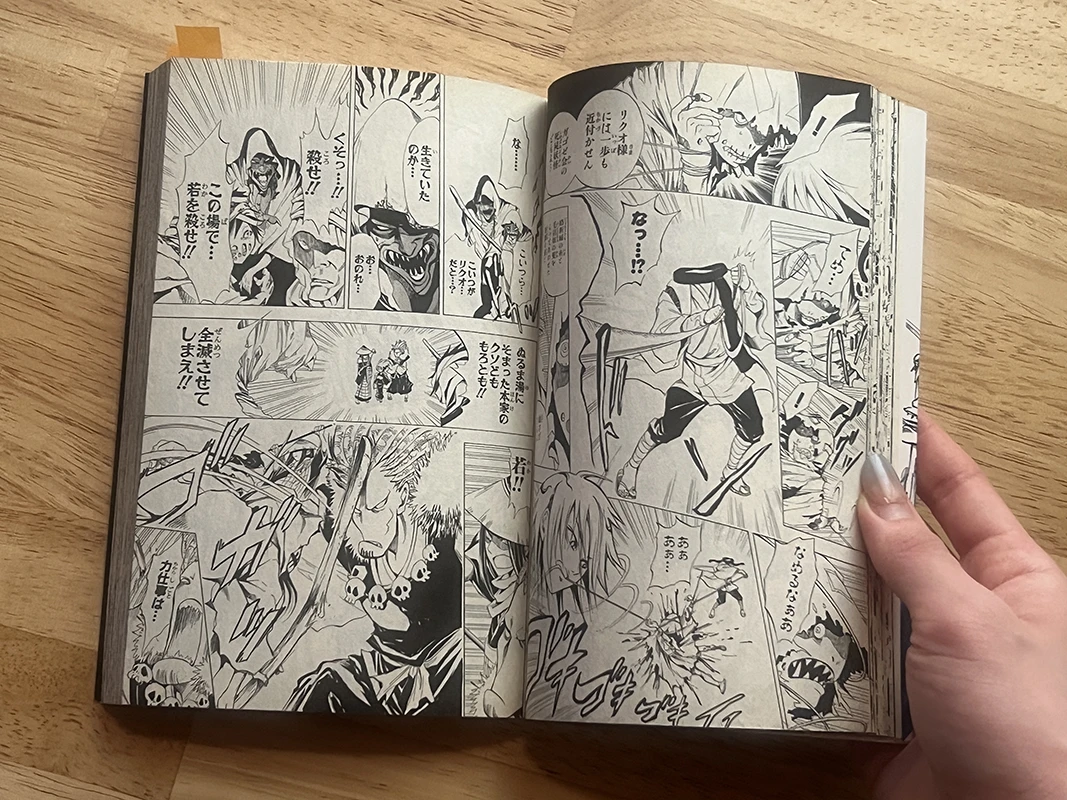
Because of this, when I leaf through a manga, my eyes are drawn to the illustrations first, bypassing the text. I feel a distinct sense of time and space especially in the backgrounds. Consequently, instead of following the narrative or the characters, I gradually found myself in the sensation of just "gazing" at the manga's background scenery.
──And then, spurred on by this interest in manga's depictions of space, you went on to study as a post-graduate at Tokyo University of the Arts, correct?
Right. As a graduate student, I created works inspired by the backgrounds of manga and their depictions of space. From there, my interest shifted to how to establish backgrounds and peripherals on flat surfaces, which brings me to my current creative works.
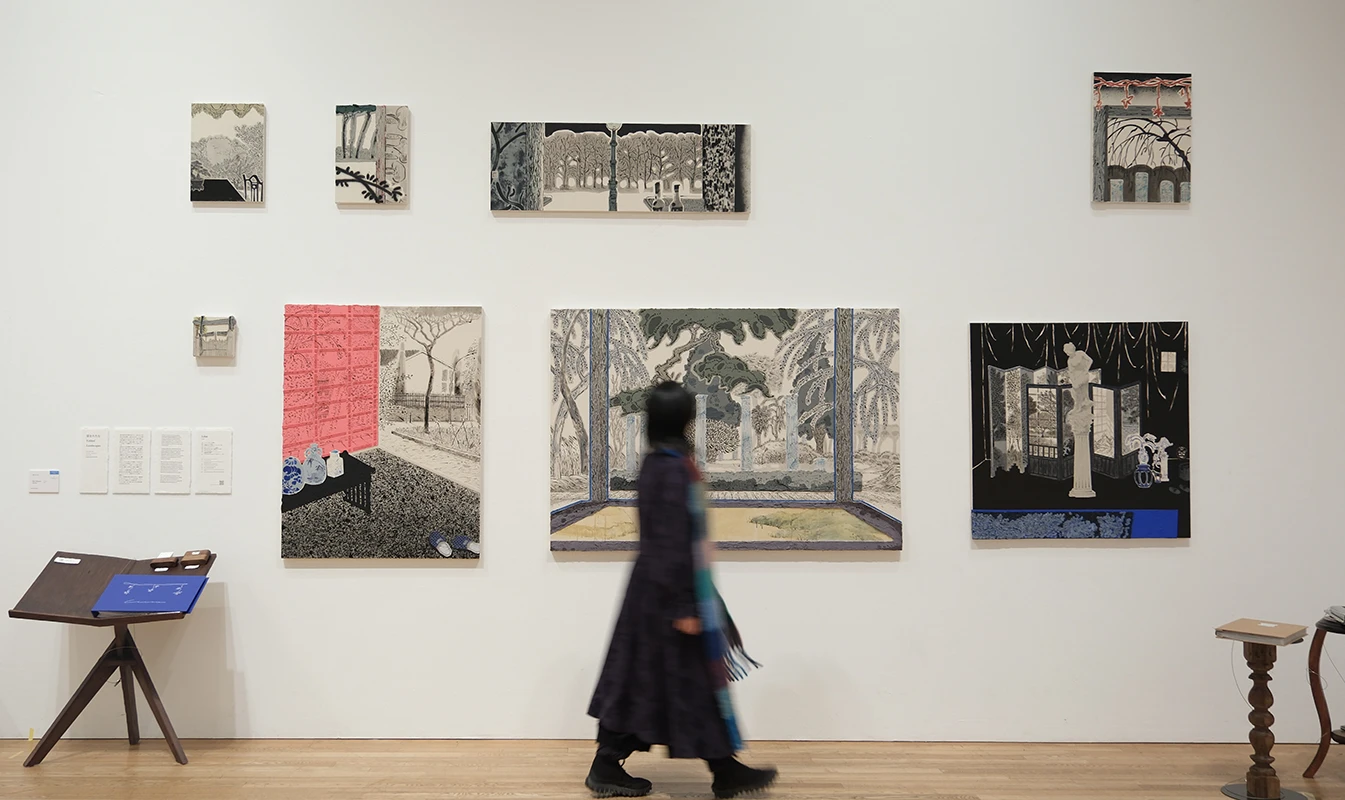
──You've spoken about admiring the backgrounds, but do you also enjoy the narratives in the works you read?
Of course. But when I want to enjoy the story, I typically watch the anime adaptation first. When I go from watching the anime to reading the original manga, since I've already got a good grasp of the story, understanding the dialog and composition isn't as difficult, and I'm able to read more smoothly.
To be honest, I do think it's best to make the effort and read every word of the manga. That way, I can really savor it down to all the little nuances.
There are times when I open a manga because I want to see a certain image, but then end up going back through the story and getting sucked in all over again, totally losing my sense of time. At times like those, I really feel thankful that I own the manga.