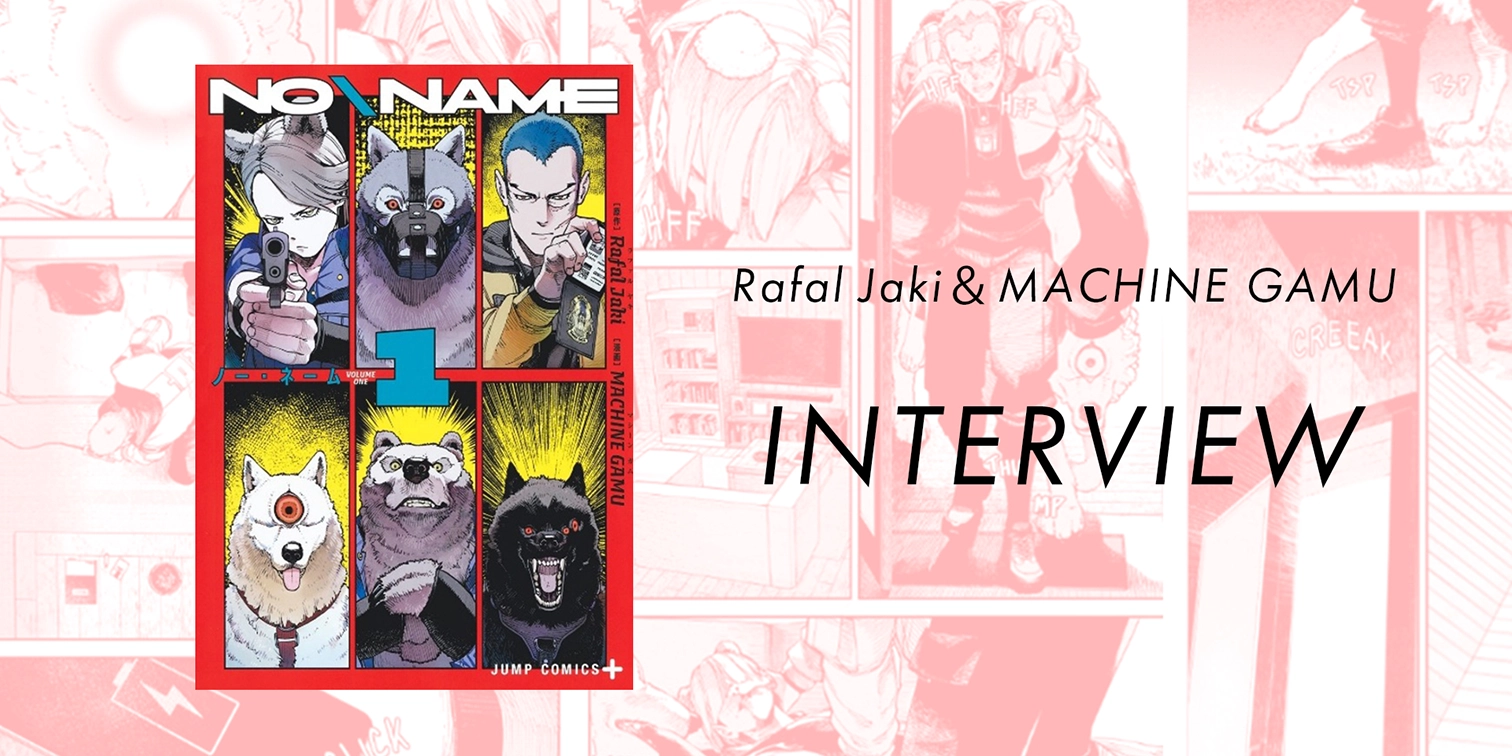
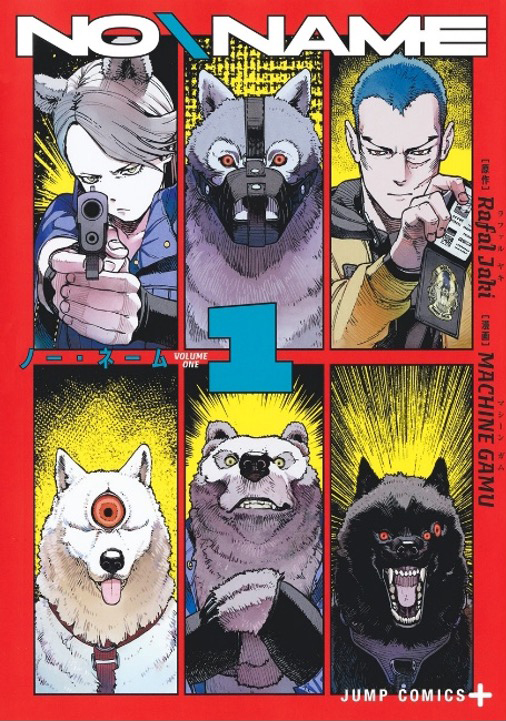
1. From First Encounter with Manga to the Serialization of “NO\NAME”
──When did you first come into contact with the culture of “manga”?
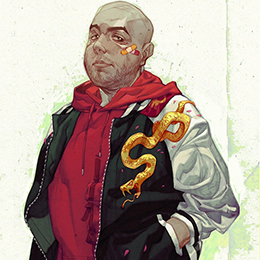
Rafał
The first manga I read was “Dragon Ball”. My downstairs neighbor was a comic book enthusiast, and I told him I watched an animated show on Polish TV. He asked me if I was aware it was based on a Japanese comic book called a manga.
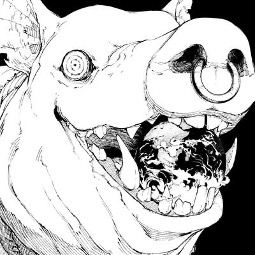
GAMU
I first learned about manga when I caught up on the latest episode of the “Naruto”anime. While searching for the release date of the next episode, I discovered that the anime was based on something called a manga. I was too impatient, so instead of waiting, I started reading from where the anime left off.
──Please tell us about the manga that influenced you.
Rafał
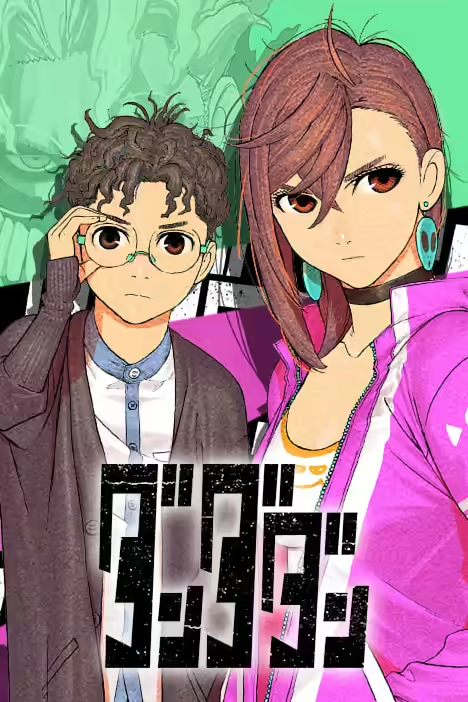
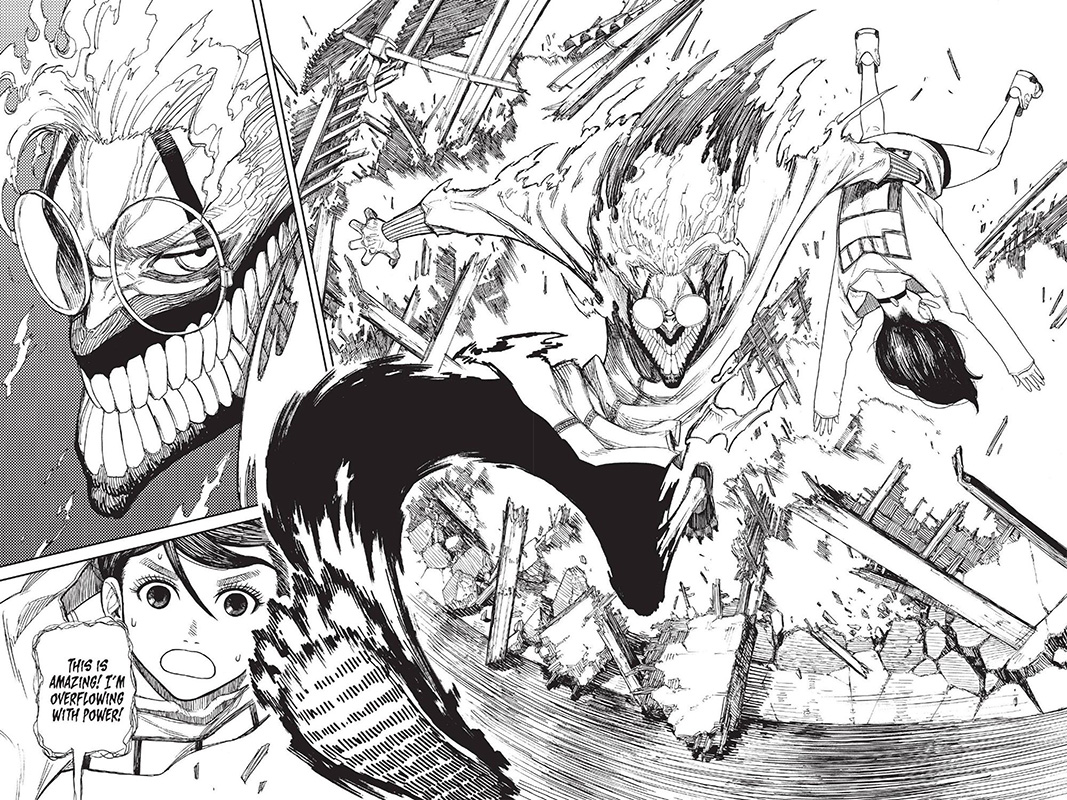
I’ve been reading manga for 25+ years, so it’s hard to mention them all. As a teenage boy, I really liked “Love Hina” because I wanted to have a girlfriend :). As a young adult, I really appreciated “Akira“ and ”Berserk” for their mature themes, which left me thinking for days after each volume. But the most impactful work that has stayed with me for 20+ years now is “One Piece”. It’s one of the few things in life I’m certain will make me cry and shout from the top of my lungs “WOW”. From the new generation, “Dandadan” is a masterclass in impactful art and emotional storytelling.
GAMU
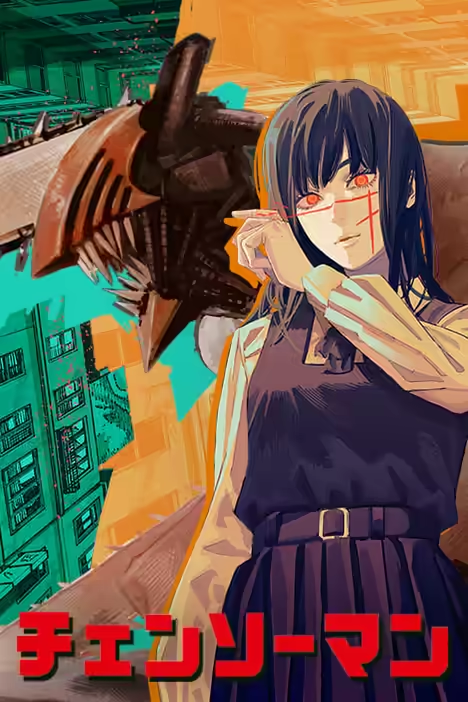
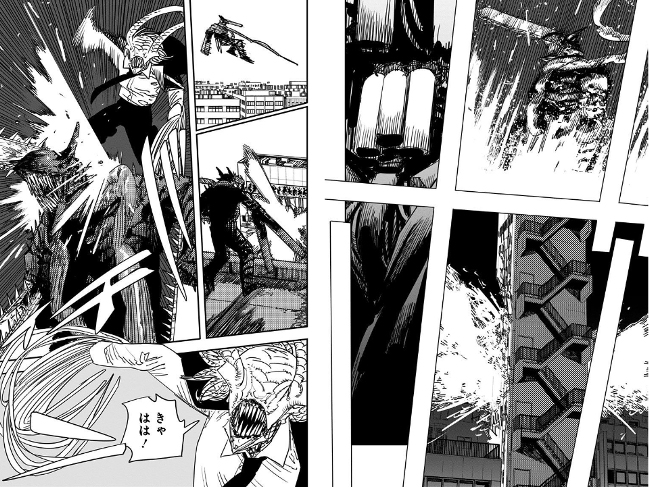
It's difficult for me to pinpoint specific works because I'm sure everything I've read so far has subconsciously influenced me. Lately, I've been trying to improve my panel layouts, so I've been re-reading “Chainsaw Man”, paying closer attention to how the panels are arranged and trying to learn from it.
──Could you tell us what inspired you to start creating manga, or if there was a specific turning point?
Rafał
I’ve always wanted to pay back the amazing creators who allowed me to experience their worlds and stories. When I was a teenager in my small hometown of Opole, Poland, we had a manga club that I joined, and I spent amazing years with a group of friends, going to conventions and just having fun centered around the manga and anime fandom. I always wanted to be as close as possible to my passion, so I studied Japanese Studies at Warsaw University. From that point on, I just wanted to get closer and closer to the thing I loved, and I’m still amazed I managed to become a writer.
GAMU
Initially, I wanted to make anime to tell my own stories, but that's difficult for one person to do, so I settled for making manga instead. Over time, I've come to prefer manga to anime.
──How did you learn about the “Manga Plus Creators” submission site, and what made you decide to submit your work?
Rafał
My path is a little backward. When I started imagining “NO\NAME”, I had already finished making the anime “Cyberpunk: Edgerunners,” so I wondered where I could publish a manga in Japan. I was already reading on Manga Plus, so I knew about the “Creators” tab. JUMP had always been a dream, so we decided to go for it.
──Looking back on the serialization of “NO\NAME,” what were the most challenging parts, and what are some of your most memorable moments?
Rafał
Reading comments from readers in both the West and Japan was a very humbling experience. It was humbling to know that so many people read our work and to wonder how they interpret my intentions. Are they seeing what I’m trying to convey? Japanese readers are very different from manga readers in the West, so it was a shock to see how they perceived the work.
GAMU
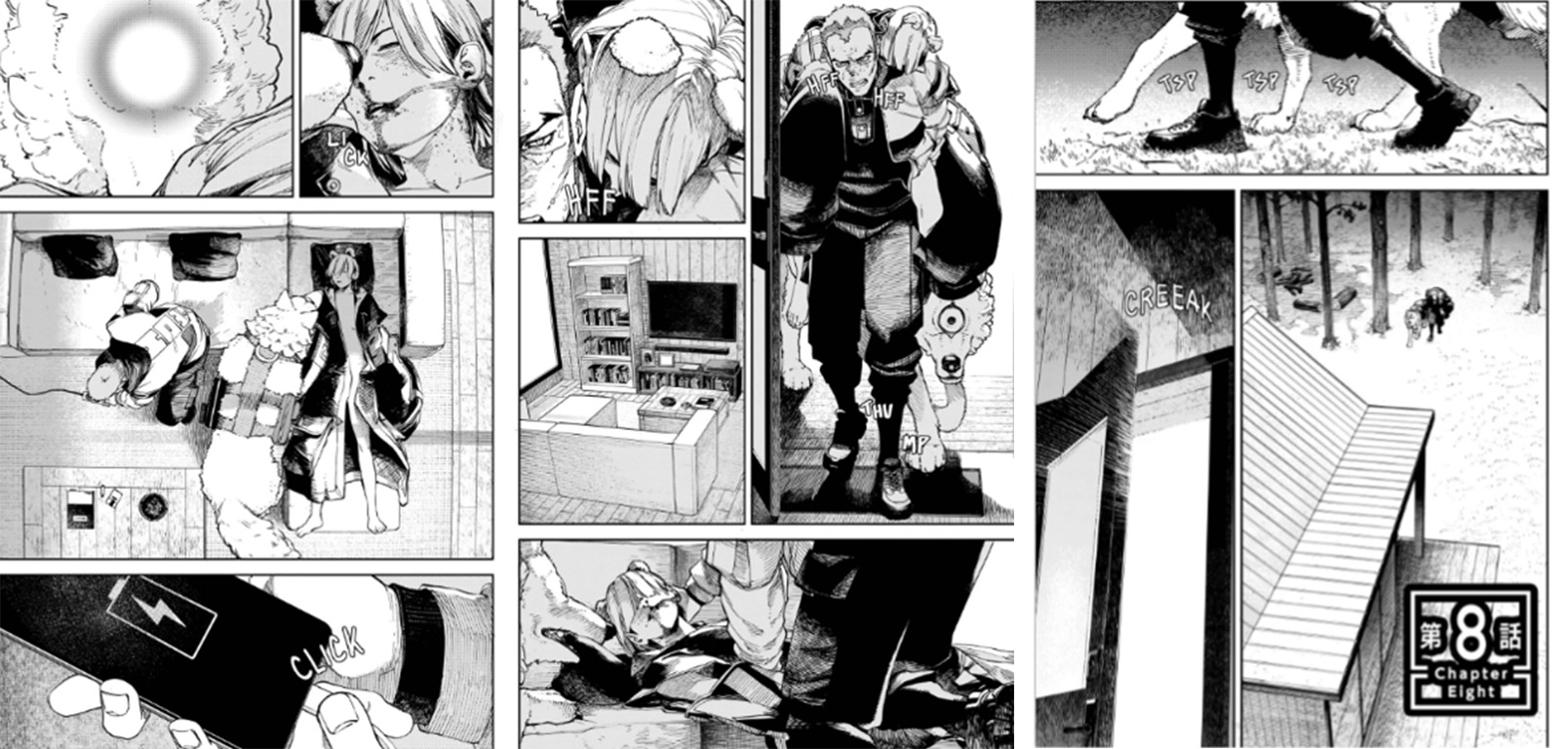
For me, drawing the name for the chapters was difficult. When I made manga by myself, I wrote the dialogue while deciding on the panel layout, so it took some getting used to working from a script written by someone else. Other than that, the hardest part was finishing the chapters on time. As for the most memorable moment, I was moving to a new place while working on chapter 8, so I ended up not sleeping for an entire week to make up for the lost time. It certainly was an unforgettable experience.
2. About Creative Work
──What kind of efforts did you make to create “manga”?
Rafał
Writing manga is a dream come true, but it requires a lot of tenacity and constant work to fight my inner critic. I don’t want to settle for less quality, but there are deadlines and other people relying on me to deliver on time, so knowing when to let go and when not to is a big struggle.
──Rafał-sensei, you served as executive producer on the anime “Cyberpunk: Edgerunners.” Did that experience help you in your “manga” work?
Rafał
Manga, in my mind, is a more personal endeavor, whereas anime is a team sport. Working with Studio Trigger gave me a lot of insight into how to lead a story with heart, and it also showed me that, as a creative not from Japan, I have a unique perspective I can showcase that might be interesting to readers in Japan. Anime also has many more means of expression (color, music, VO, animation), whereas manga leaves a lot to the imagination. So each medium can share the same core (great characters, interesting plot, touching story, and immersive settings) but delivers it differently.
──It seems that MACHINE GAMU-sensei prefers black-and-white art. Could you tell us why?
GAMU
I like working in black and white because I'm not good with color.
──What kind of workflow did the two of you use to create “NO\NAME”?
Rafał
I always start by writing a simple outline, then a script with scenes and dialogue, including visual references. After that, I send it to GAMU for review, where I receive many questions and feedback. I try to incorporate it, and GAMU starts storyboarding. After that step, we review together, and I make adjustments to the dialogue and scenes if needed. Next is linework (where we make adjustments again), and at the end comes the lettering and VFX.
──For example, did you hold detailed meetings with editors to develop the story?
Rafał
Actually, we were told by the editorial staff to largely do our own thing, so there was not a lot of input.
──If you felt any cultural differences between Poland and Japan while create “MANGA”, could you tell us what they were?
Rafał
Polish people have this sadness that seeps into our stories. It’s almost like nostalgia, but more of a “we are expecting the worst to happen” mentality.
──In your creative work, are there moments when you feel your roots or background have influenced your work?
Rafał
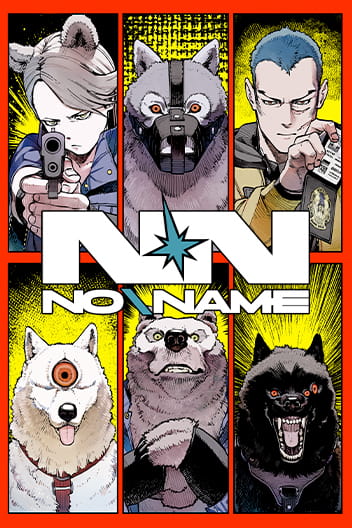
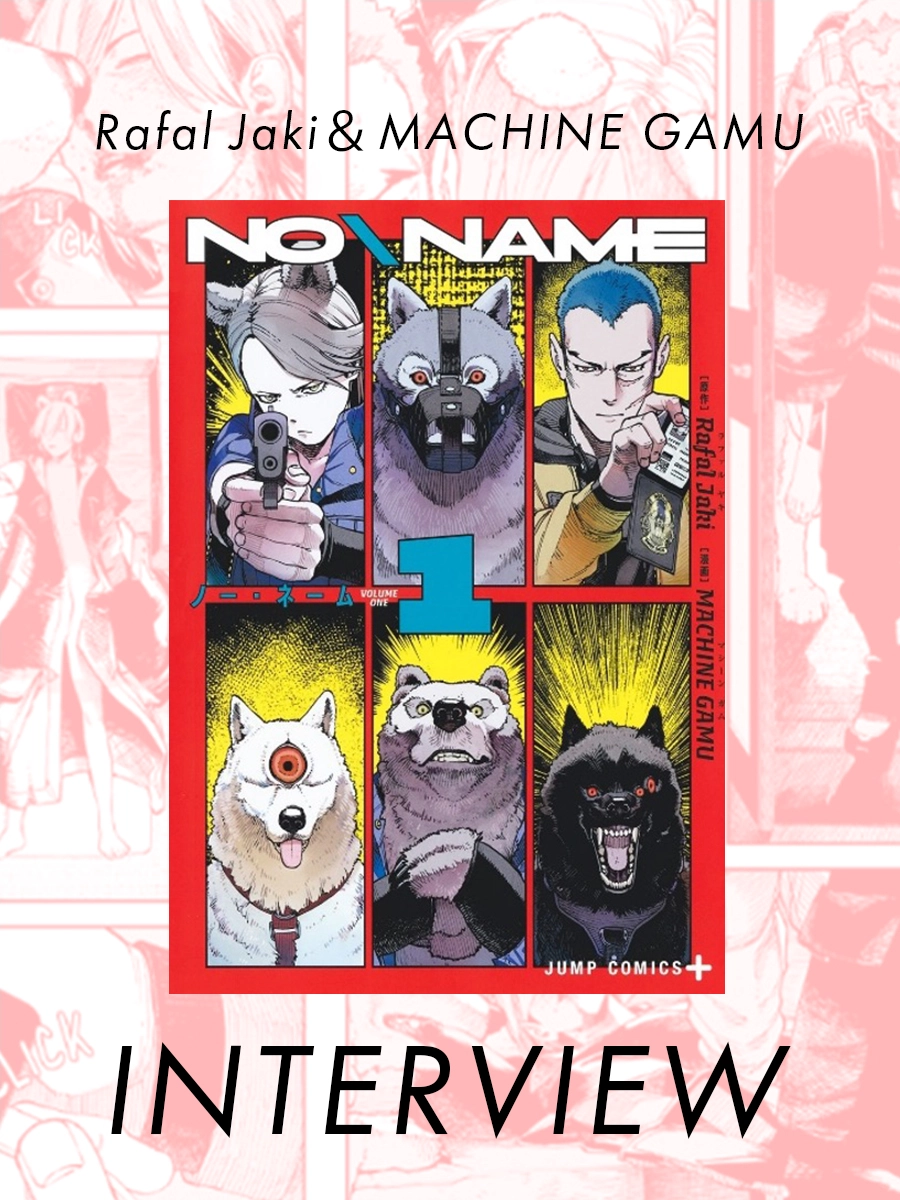
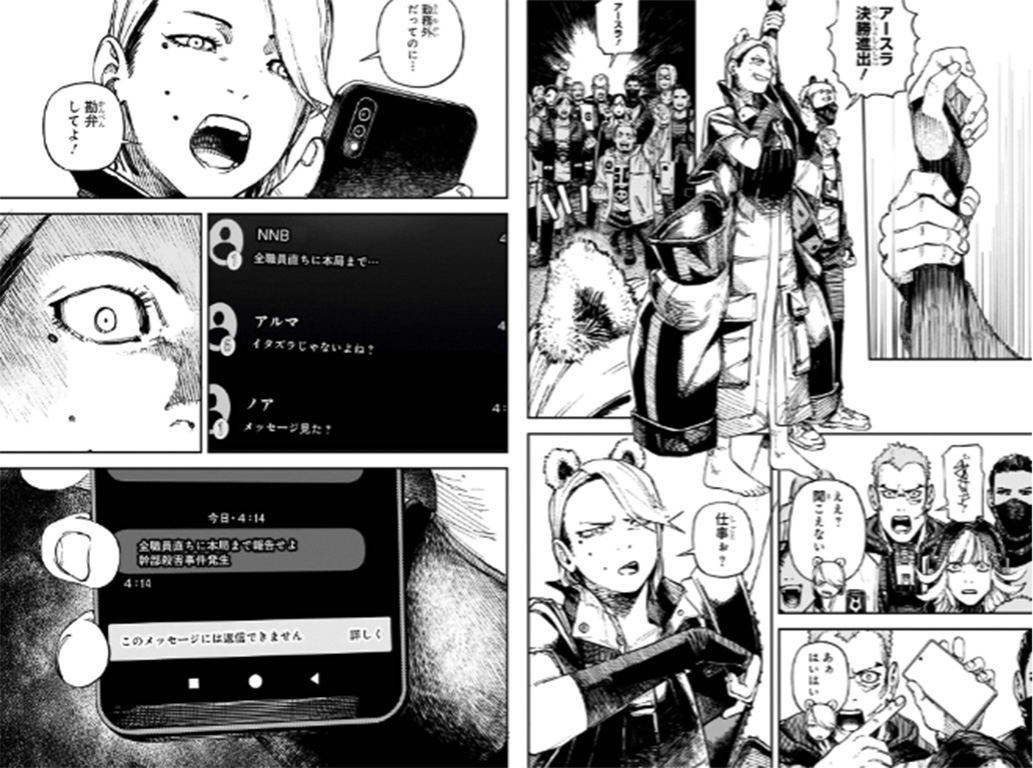
As a creator, I think it’s impossible for our lives not to shape our work. For example, Ursula, one of the main characters in “NO\NAME”, is based on my wife. It was very easy for me to write that character because I have a vivid, lifelike image of my life partner that I can easily access. I also try to write about experiences that are important to me and that I have a unique perspective on, which I would like to share with the world.
──When doing your creative work, what do you value most, and what do you always keep in mind that you want to convey to your readers?
Rafał
My dream is to create work that someone can fall in love with, as I do. It does not have to be for everyone, but I wish that SOMEONE could truly love it. So I try to be honest and “brave” in my work.
──Apart from “MANGA,” are there any other cultures or entertainment works that have influenced your creative works?
Rafał
I love anime as much as I love manga :) I play video and board games. I read a lot of books and many types of comics (graphic novels, webtoons, and European comics). All of them influence me all the time because I love being surrounded by passion and creativity and being invited into someone else's world.
3. To Future Creators and Readers
──Based on your own experience, could you share a message or advice for those aiming to become manga artists, transcending national and cultural boundaries?
Rafał
Many young creators reach out to me for advice, but they want to know what the "cheat code" is for creating a hit manga, anime, or video game. From my experience, there is no cheat code. You have to train that creative muscle by writing or drawing a lot. One time, I got drunk with a famous art director and concept artist, and I told him, “I wish I were as talented as you are,” and he said it was an insult because talent is not enough and that his amazing creations came from drawing and improving himself for 20 years, 12 hours a day every day. I try to remember that lesson. And my pet peeve is that ideas are cheap and execution is all that matters. If you give a great creative a bad idea, he can make great work from it, but if you give a great idea to someone without the skill, they will produce bad work. So don’t be precious about your ideas (everyone has them); instead, focus on how you can actually make them with quality in mind.
GAMU
This won't apply to everyone, but I struggled with it and still do to some extent: perfectionism. Making manga will be difficult if you don't get rid of it. The art looking finished is more important than it looking flawless.
──Finally, please share a message for manga fans around the world.
Rafał AND GAMU
There is no better time to be a manga fan than now. Let’s grow our fandom even stronger so we can have amazing stories to love.