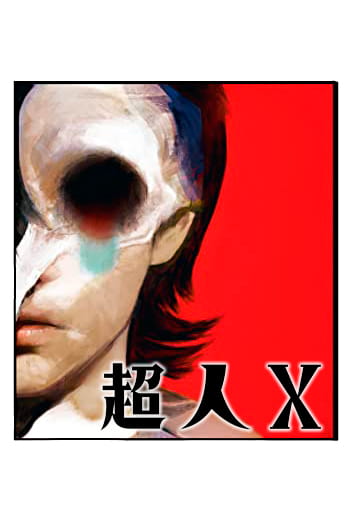


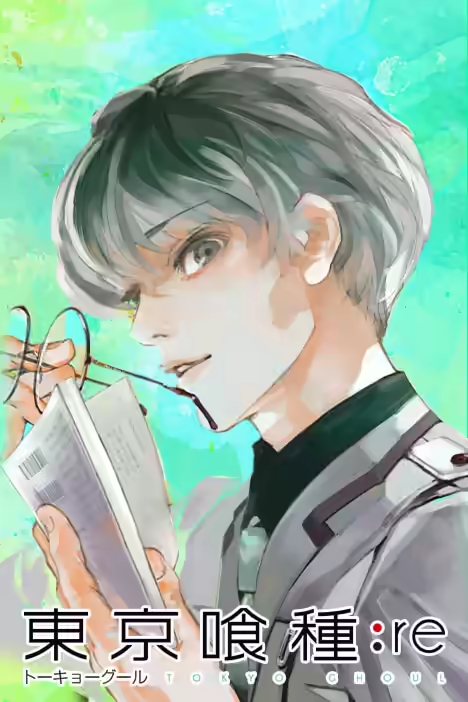

Chapter 1: Ideas and Conception
──How did you come up with the original concepts for "Tokyo Ghoul" and "Choujin X"?

Sui Ishida
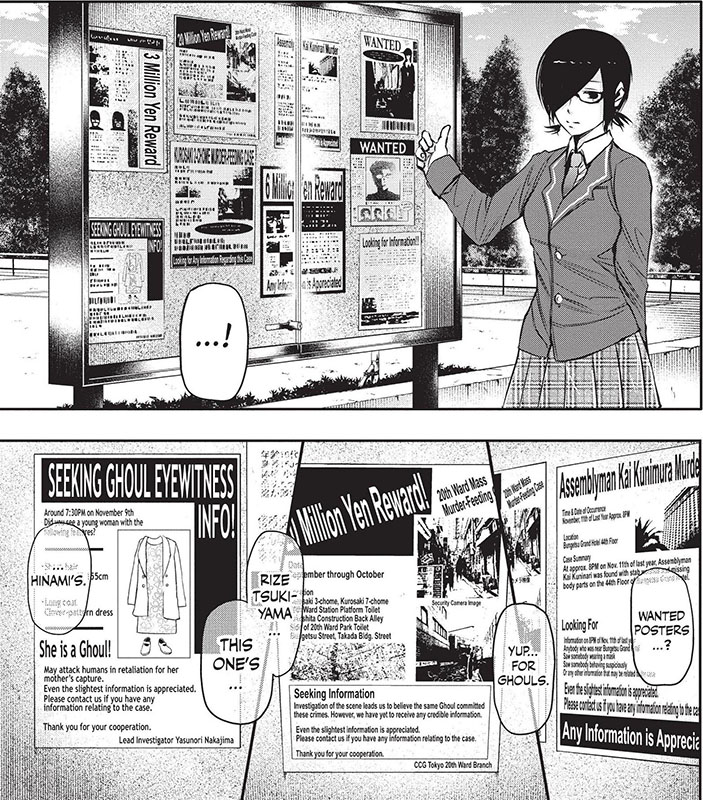
There was no special process involved; they both just came to me by chance, through random thoughts that popped into my head. With "Tokyo Ghoul", I wanted to try telling a story with a protagonist whom you might call a sort of menace to society. At the time, I was used to having all my submissions rejected by my lead editor, Mr. Matsuo, so I guess as a sort of...revenge?...I wrote the pilot chapter of "Tokyo Ghoul" just to show that I could do things differently. (Incidentally, the reason all my submissions got trashed back then in the first place is because my storyboards were all pretty bad.) When it comes to "Choujin X", I was on kind of an etymology kick while working on "Tokyo Ghoul", fascinated by the origins of kanji characters in the Japanese language and binge-reading books by Shizuka Shirakawa. So I thought it might be interesting to tell a story where power could be gleaned from written text, or even the words themselves. I struggled to develop that setting, though, and wound up revising it into a more conventional one where characters use special abilities to fight. In "Tokyo Ghoul", the characters transform parts of their bodies during combat, but there aren't really "superpowers" at play in the traditional sense. So while I could depict those enhancements pretty creatively, there was a limit to where I could really go with it, and I wanted to liberate myself from that and try something more flexible. And I was intent on doing something more conventional, while I was at it. The compositional aspect of my manga is messy, and I often feel like what I write doesn't seem very "manga-like" at all. That got me thinking, no matter what I do, my individual quirks are always going to break through to the surface anyway. So rather than specifically trying to be edgy, I wanted to see what would happen if I expressed myself entirely from inside the box. In that sense, "Choujin X" is basically my attempt at writing something completely by-the-book.

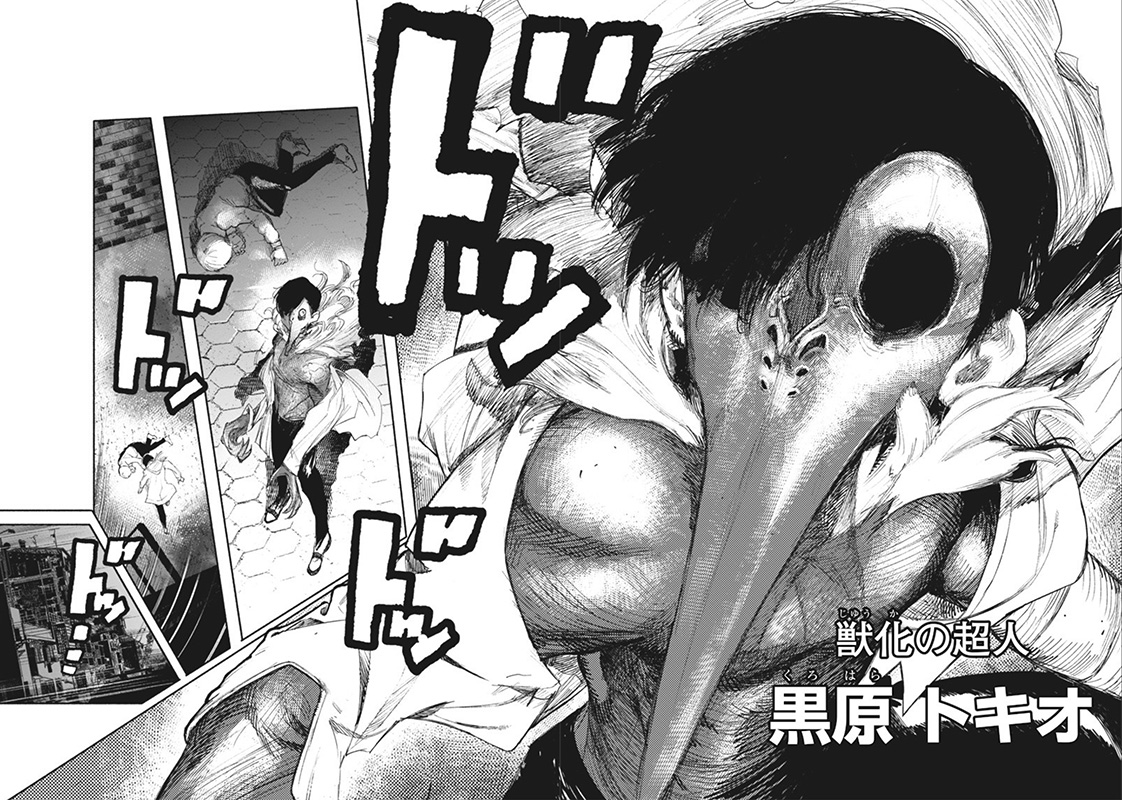
──When you're creating your stories, which part of the process do you prioritize: the characters, the plot, the world building, or something else?
Sui Ishida
I come up with the setting and the main characters' backgrounds at the same time.
As far as setting goes, I tend to concern myself more with maintaining a general mood than sweating all the finer details. And since the protagonists are present throughout the entire story, I always try to decide whether to keep writing them into new situations, or just sit back and watch over them as they do their thing.
──Your stories are filled with unique characters who display distinctive yet complex personalities. What is your method for writing such deep, multi-layered characters?
Sui Ishida
Each character's mannerisms and way of speaking come to me as soon as I've settled on a name and facial appearance for them. It's almost like observing a new person who just moved into the neighborhood. I do, of course, design each character to fit into the story, but they often don't feel quite right when I first put the ideas to paper. So I usually just let my intuition guide me and figure them out as I go.
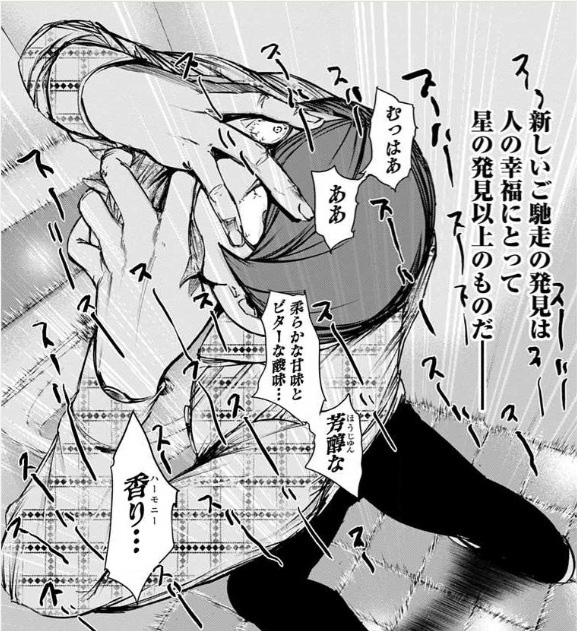
──How far ahead do you plan your stories when beginning them?
Sui Ishida
I come up with a general framework to start. From there, I decide on a number of major plot points, then I sort of just let the rest fall into place.
I do at least always keep in the back of my mind which narratives need resolutions versus which ones are okay to leave by the wayside. But if, somewhere along the way, a certain plot development starts to seem unnatural, like I'm forcing it into being against its will or something, I may just drop it anyway. So the answer is kind of a mix: sometimes I write toward a specific goal, but sometimes I just go with the flow, not even knowing what'll happen yet myself.
──Both "Tokyo Ghoul" and "Choujin X" blend together elements of fantasy with the real world. Is that kind of world-building a preference of yours?
Sui Ishida
If the setting were wholly fantasy, I'd have to define and explain all its rules to the reader. But if the setting is more grounded in reality, I can avoid all of that. So I generally prefer the simplicity and convenience of using the real world as a backdrop.
It helps intuitively convey ideas like, "This takes place in Tokyo, which must mean there are ghouls in the world I know."
Or, "It's a fictional city with strange creatures, but most of the setting is pretty familiar to me."
The further away that setting is from our lived experience, the more difficult and laborious it becomes to draw readers in. So my world-building is based on how much I'm willing to explain, weighed against the changes from the norm I'm trying to depict.
Part 2 will be released on Monday, August 24, —so please look forward to it!!