1. How I Discovered Manga
――When was the first time you were exposed to the culture of “manga”?
Juan
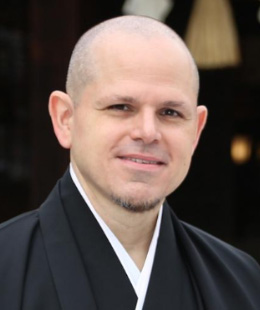
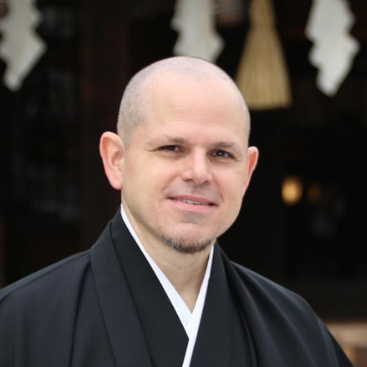
I first discovered manga when I was in high school, around 1990 or so. The local Catalonian TV station started broadcasting the anime series Dragon Ball and Dr. Slump, and they became such a huge success that the Dragon Ball manga began publication soon afterward as well. It completely blew my mind, and I’ve been a fan of Japanese manga ever since.
――What kind of manga do you find interesting, Juan?
Juan
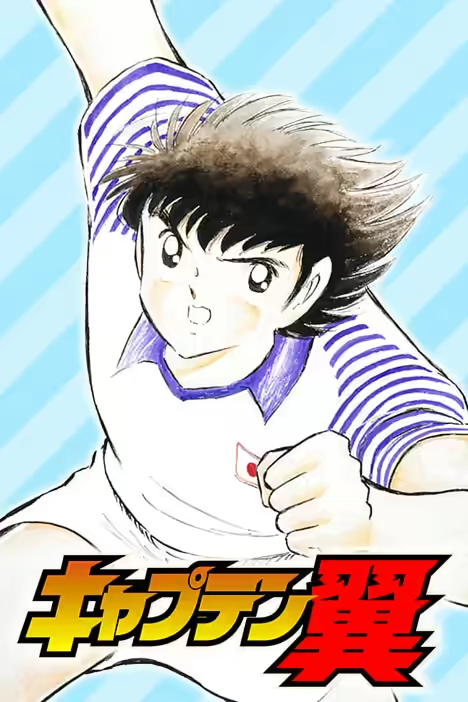
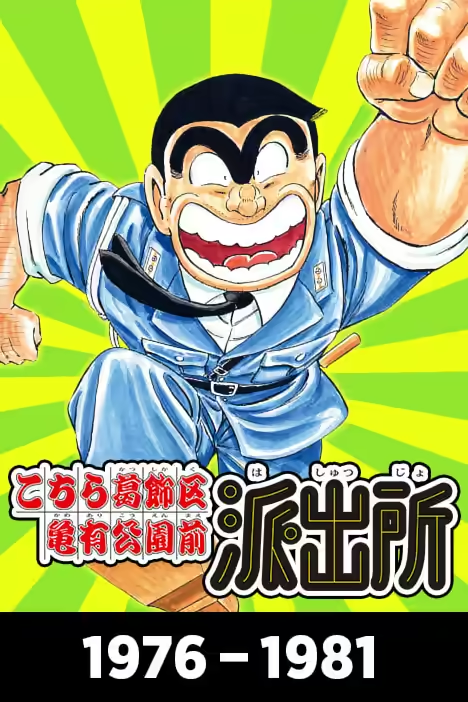
When I was younger, I mostly enjoyed shonen sports and battle manga like Dragon Ball, Hokuto No Ken, Touch or Captain Tsubasa. In the last few years I’ve come to enjoy seinen manga more, especially stories that allow me to learn more about Japan, its people, and its culture. These days, I enjoy works like Giant Killing, Real, and The Fable, but I also enjoy historical and sports manga in general. Oh, and recently I read the Spanish edition of KochiKame, which has become one of my top five favorite manga of all time.
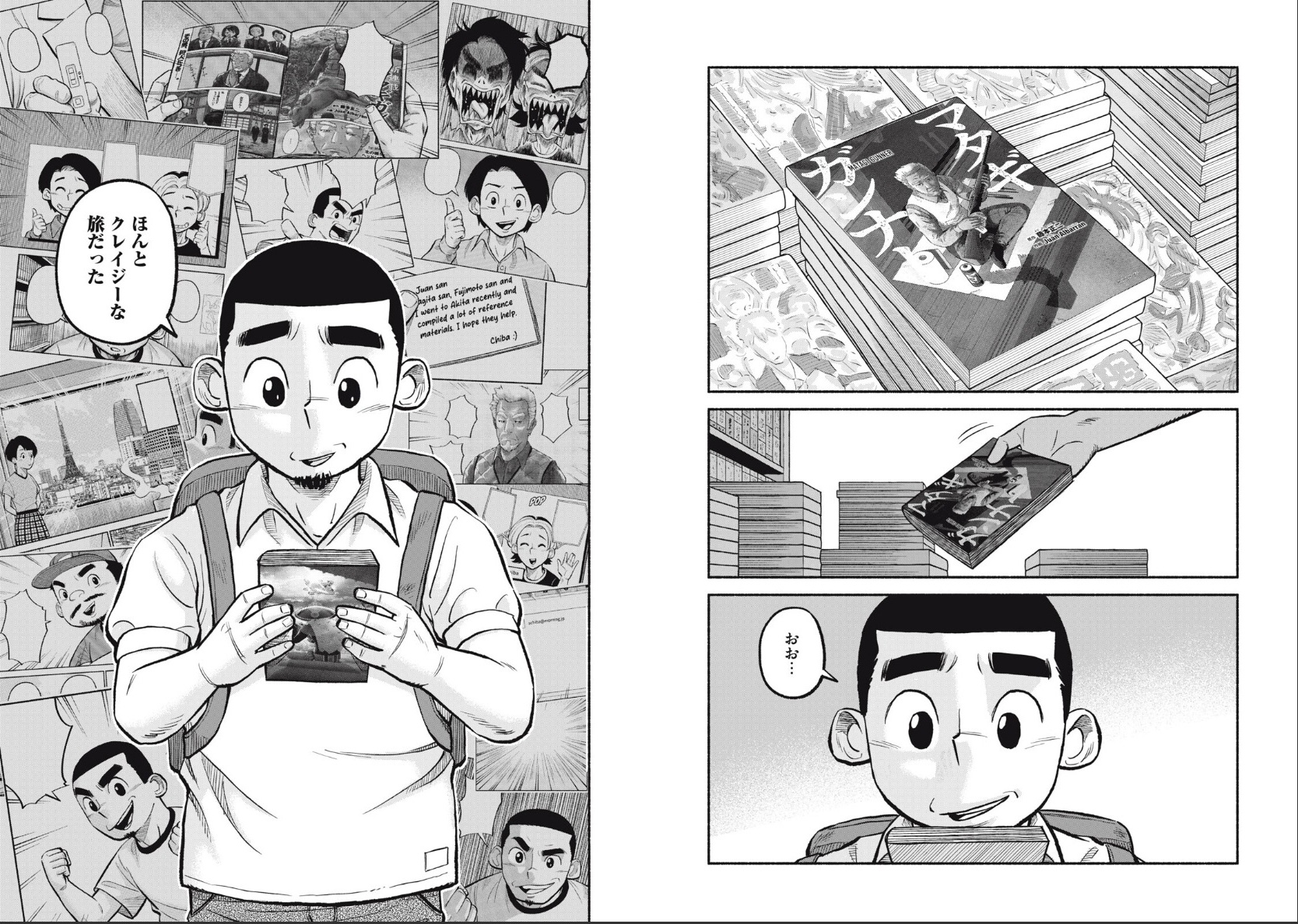
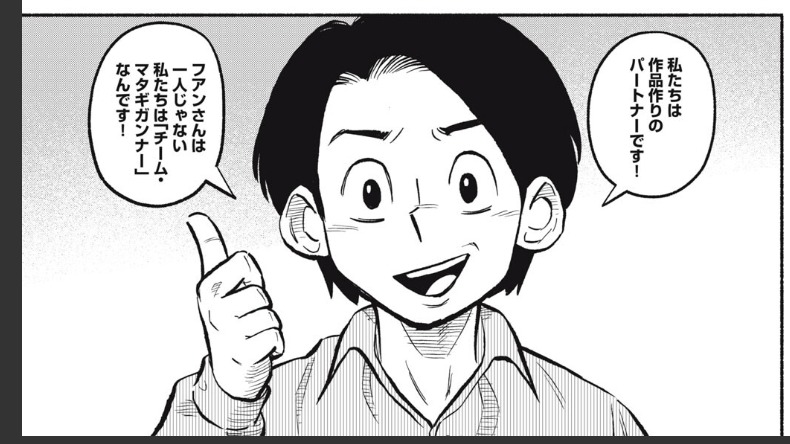
“Matagi Gunner” Vol.3
――I believe you’ve cited AKIRA as one of the manga that influenced you. What do you like about AKIRA?
Juan
After Dragon Ball, Akira was the second major manga influence in my life, I think Otomo-sensei’s ability to create such believable characters and worlds is unmatched and it opened a door to new types of manga when I discovered it at around 18 years old. The draftsmanship and overall quality of the work are also astounding, especially considering how quickly Otomo-sensei and his assistants had to work. Akira is as close to a perfect manga as I have ever seen.
――You mentioned in a past interview that you read ONE PIECE, didn’t you?
Juan
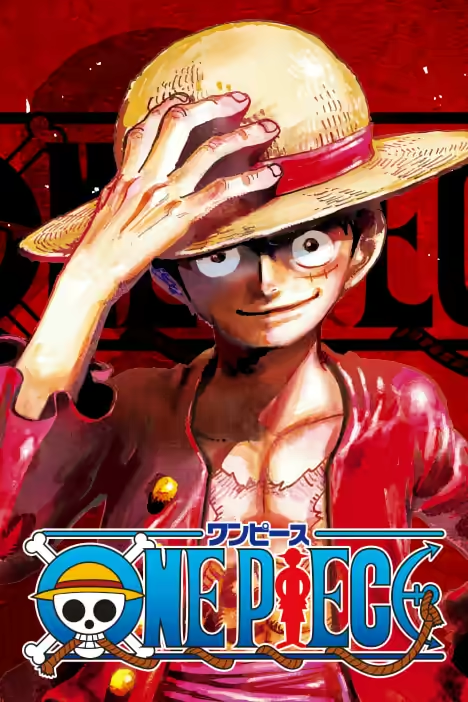
One Piece is amazing. I started reading it because I wanted to learn from it and understand why it’s the most popular manga in the world. Now I understand why. Oda-sensei somehow manages to create characters and stories that are fun, funny, mysterious, smart, and epic all at once. And the artwork is so dynamic and unique that when I see a panel drawn by Oda-sensei, I immediately know it’s his.
――Could you tell us what inspired you to start drawing “manga,” or if there was a specific event that served as a turning point?
Juan
Since I was a kid, I’ve always felt the need to actively pursue my hobbies; it was never enough for me to simply enjoy them. By that, I mean it wasn’t enough for me to just read manga, I had to draw it as well. Because of that, I’ve tried many things: music, photography, and also played many sports… but manga was always the thing I was most passionate about so I ended up dedicating my life to it. The medium itself is amazing. Mangaka can tell any kind of story and entertain readers all over the world using only pen, paper, and imagination.
2. About Creative Work and Artwork
――Your representative work, Matagi Gunner, is a highly ambitious piece that blends the theme of esports with elements of “Matagi,” a practice that could be considered a uniquely Japanese cultural tradition. What made you decide to create this work?
Juan
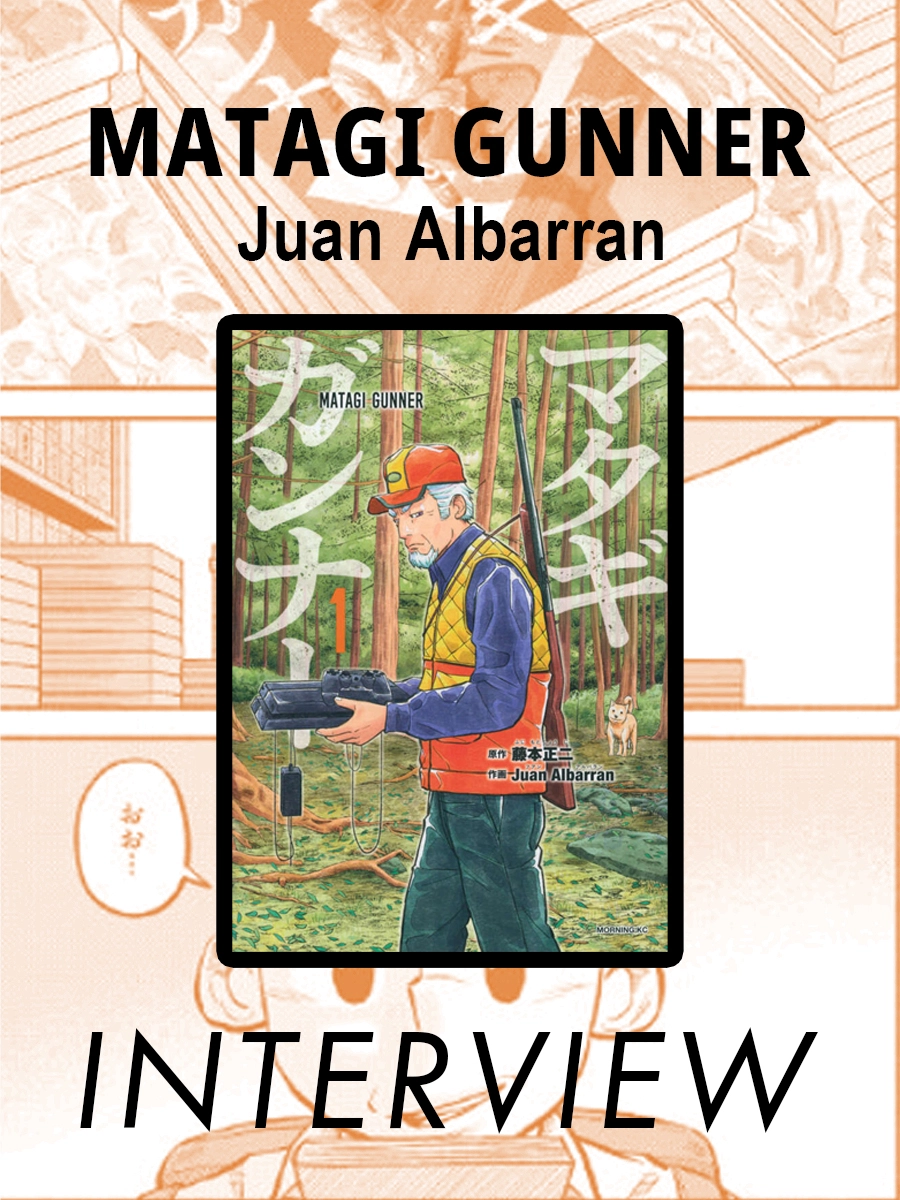
I was in charge of the artwork for Matagi Gunner, while Shoji Fujimoto wrote the story. When I was offered the opportunity to draw Matagi Gunner, I jumped at it right away. It’s a story about a retired old matagi hunter who becomes exceptionally skilled at playing FPS video games. I remember thinking that the premise itself was genius so I just had to work with Shoji Fujimoto and my editors to tell that story. I also really liked the idea of drawing a manga with an elderly protagonist, since it felt very original and different.
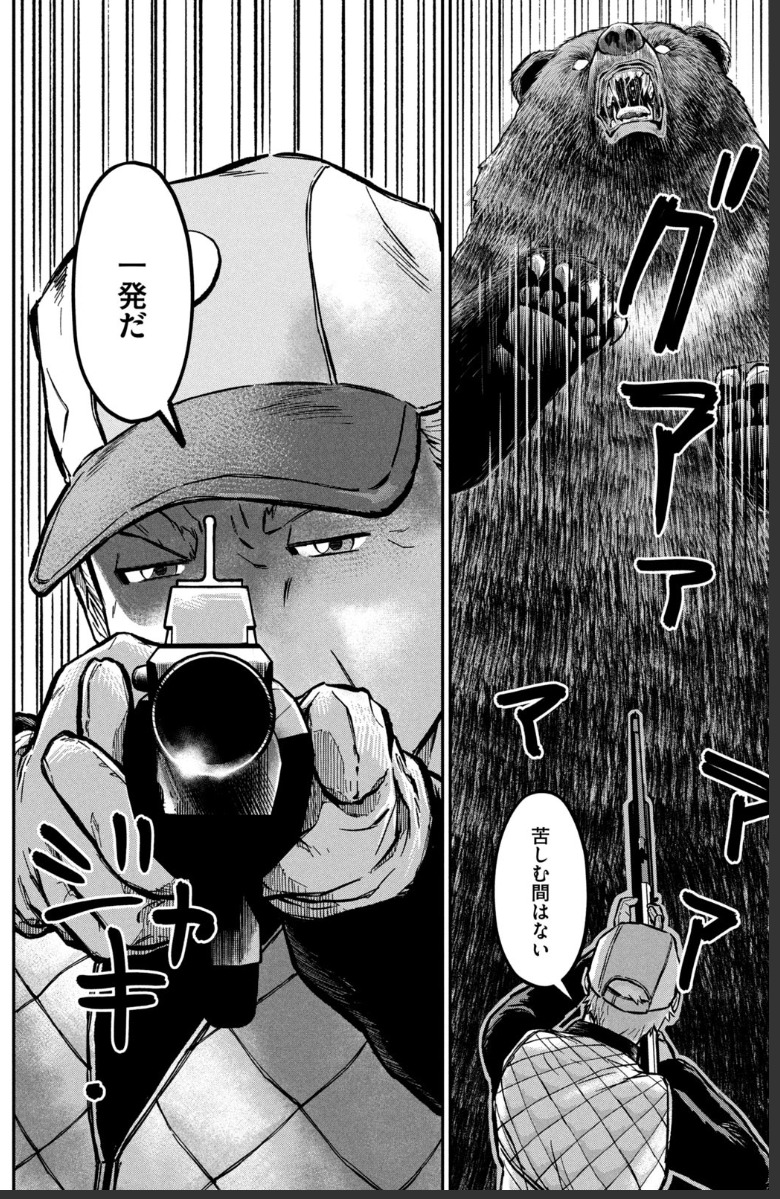
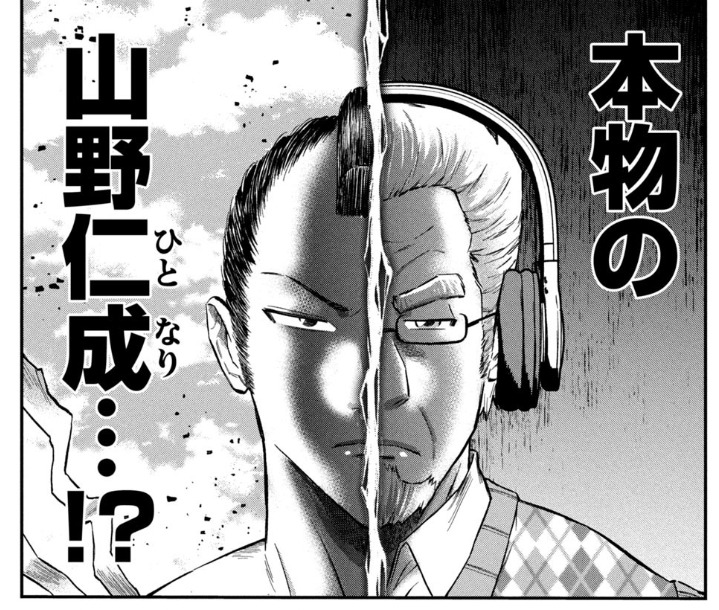
――I imagine this work requires a deeper understanding of Japanese culture, such as the Matagi and rural Japanese customs. Could you share any memorable anecdotes—such as challenges you faced while drawing Matagi Gunner or any discoveries you made?
Juan
Drawing rural Akita and the life of a matagi hunter like Yamano was a real challenge, as I knew nothing about it beforehand, but I was able to do it thanks to my editors and Shoji Fujimoto, who helped me a lot by providing many references and materials. Also, my assistants were Japanese, so they made sure all the settings looked as authentic as possible. Still, I made many mistakes and had to redraw many simple things, such as Japanese hand gestures or hands properly holding chopsticks.
――Juan, you’ve also worked as a DC Comics writer. Compared to Japanese manga, what differences did you notice between the two?
Juan
The main difference is the role of editors in the creative process. Japanese editors are true creative partners, and they are heavily involved in helping mangaka develop their series. Japanese editors are also very demanding and perfectionistic; they never cut corners when it comes to making each chapter the best it can be.
――You came to Japan from Spain and have been drawing manga here ever since. Could you tell us if there’s anything you’ve noticed or felt about the manga-creating environment in Japan?
Juan
One big thing I noticed is how much Japanese manga publishers support manga creators so that we can focus on drawing manga. Japanese editors and publishers sometimes take on the role of an agent when it comes to handling media, PR, merchandise requests, or live events, for example. They take care of many things that mangaka outside of Japan often have to handle on their own, which is very helpful because it allows us to spend most of our time creating manga.
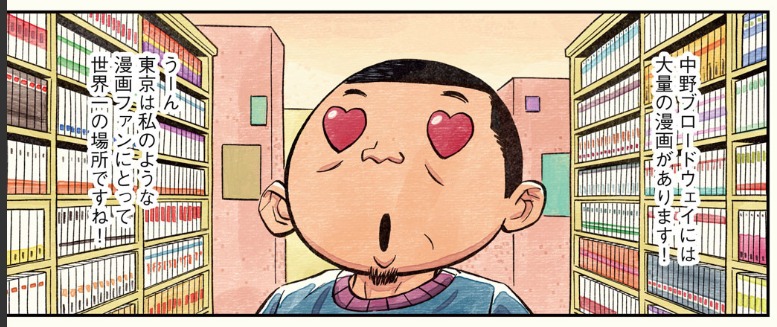
“A Mangaka’s Road to Japan” Chapter:6
――In your creative work, are there moments when you feel that your roots or background have influenced your work?
Juan
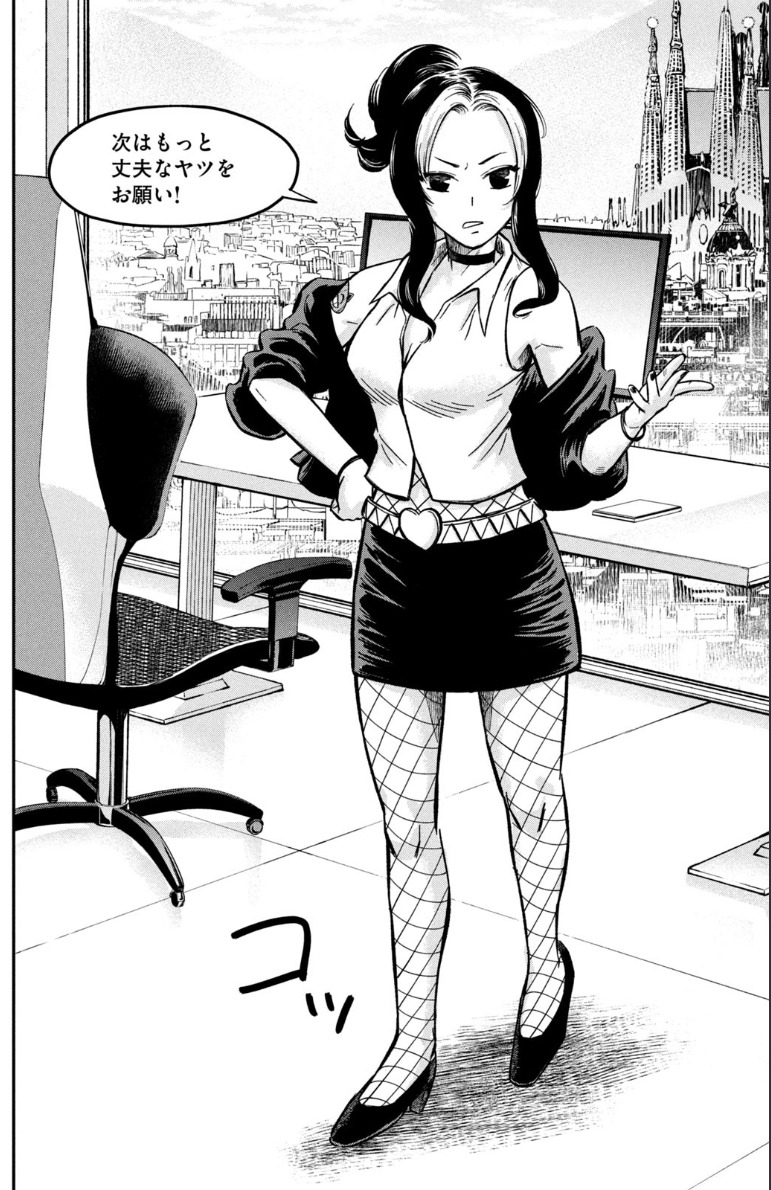
Yes, many times. While drawing Matagi Gunner, Shoji Fujimoto added many Spanish characters, and part of the story is set in Barcelona, my hometown, so my background and previous life in Spain were a big help when it came time to draw that part of the series. I also lived in the United States for almost a decade, which was very helpful during the latter half of the series, when the action is set in the U.S.
At first, I also received comments from my editors and some readers saying that my artwork looks a bit different from that of most Japanese mangaka, so I guess my influences from Western comics also show up in my work even if I tried to draw like Japanese mangaka to adapt my artwork to Japanese readers’ taste.
――When creating your work, what do you value most, and what do you always keep in mind that you want to convey to your readers?
Juan
I always try to convey emotion as effectively as possible. Through my work on Matagi Gunner, I learned that the most important thing is for readers to connect and empathize with the characters’ feelings and emotions. For that to happen, I must be able to portray those emotions as impactfully as possible. If my readers laugh during a funny scene or cry during a sad moment, then I know I have done my job well.
――Aside from manga, please tell us about any cultural or entertainment works that have influenced your creative work.
Juan
I think photography has influenced me the most while working in manga, as the principles that make a photograph and a manga panel interesting often overlap. A few animated films have also been major influences on me at different points in my life. Movies like Akira, Tekkonkinkreet, The Garden of Words, and Your Name inspired me to learn new techniques and experiment with different art styles. My love for urban scenery in manga comes from Akira and Tekkonkinkreet, and I learned digital painting by studying Makoto Shinkai’s films.
――After completing Matagi Gunner, you created the comic essay *A Mangaka’s Road to Japan*, in which you wrote that you “can’t wait to draw a new manga.” Do you have any future plans or aspirations?
Juan
My biggest goal is to write and draw my own manga series in Japan, but I have much more experience drawing than writing stories, so achieving that goal may take some time. Right now, I’m open to drawing all kinds of manga stories, but my preferences are the same as the ones I have as a reader. I would like to draw stories set in real Japan, whether in the present day or the past. For example, I would love to draw a manga set in the Edo period.
I’m also fascinated by outlaw manga, so I would love to create a manga about yakuza or bosozoku biker gangs. Just like I learned about matagi hunters while drawing Matagi Gunner, I think it would be fun to learn about yakuza or biker gangs by drawing them as well.
3. To Future Creators and Readers
――Based on your own experience, please offer some advice for those who aspire to become manga artists, regardless of national or cultural boundaries.
Juan
From a production standpoint, I would tell non-Japanese mangaka to be prepared for manga to become their whole life. Drawing a manga series in Japan is a fascinating experience, but it is also a tremendous amount of work that requires both physical and mental stamina.
I have also found that living in Japan and learning about Japanese people and culture has helped me a lot when creating manga that Japanese readers want to read. Every country and culture is different, and when making manga for Japanese readers, we mangaka must understand how Japanese people think, what they like, and what they find attractive, cute, or funny. If moving to Japan is not possible, I would suggest learning as much about Japan as possible.
――Finally, please share a message for Juan’s fans in Japan who love his work, as well as manga fans around the world.
Juan
To all the Japanese readers who follow my work, I want to thank you for accepting me and my manga, even though it may be a little different from what you usually read. I can’t wait to continue publishing new works that will entertain you for years to come!
To manga readers all over the world, thank you for helping make Japanese manga the most popular comics in the world! I can tell you firsthand that editors and mangaka in Japan work incredibly hard to create interesting stories for all of you. Please continue supporting all kinds of manga series and mangaka!